**Learning English Through
Real-World Logistics!**
This
week, in **CLX2307: English for
Logistics and Supply Chain 1**, our
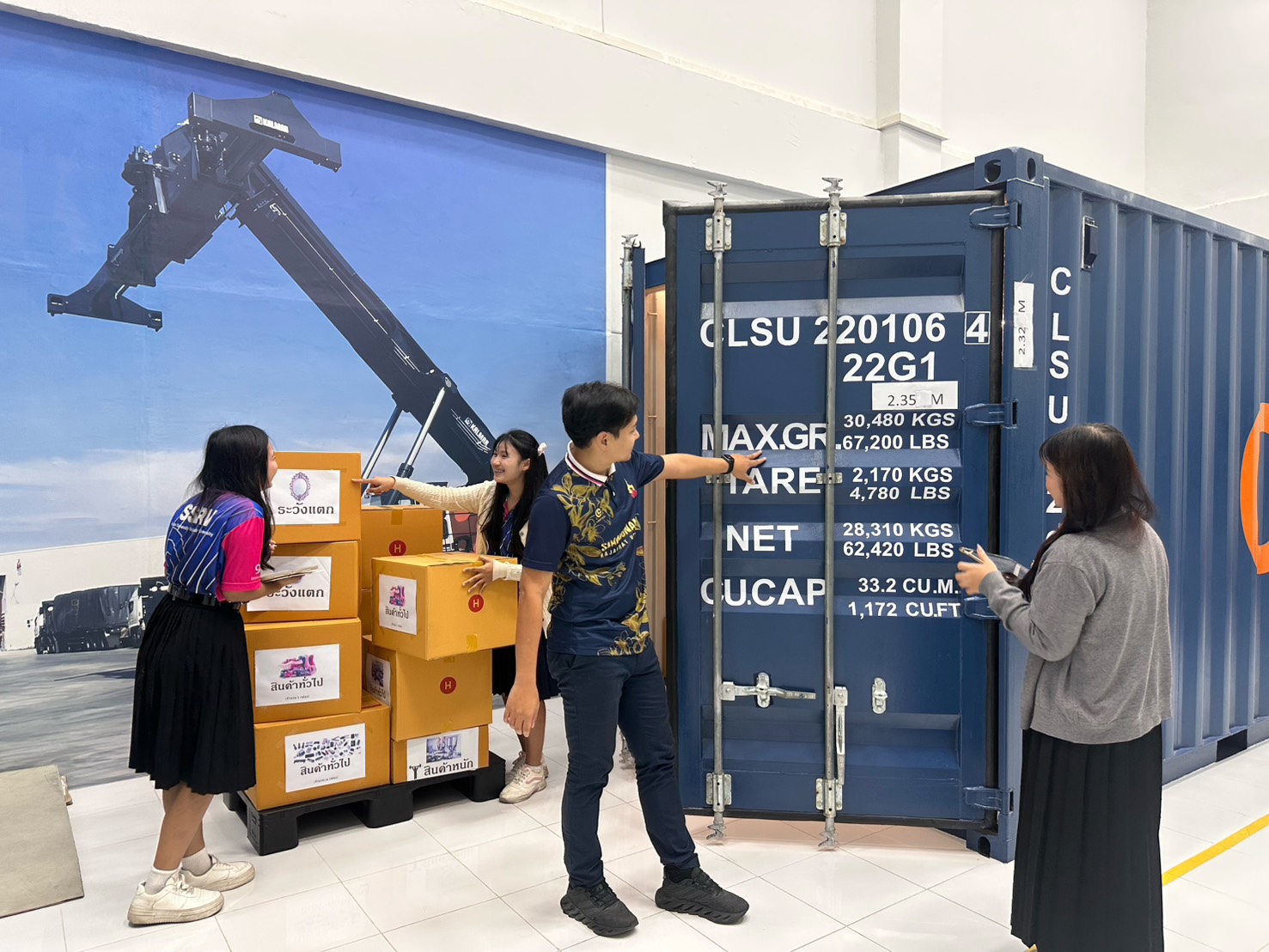
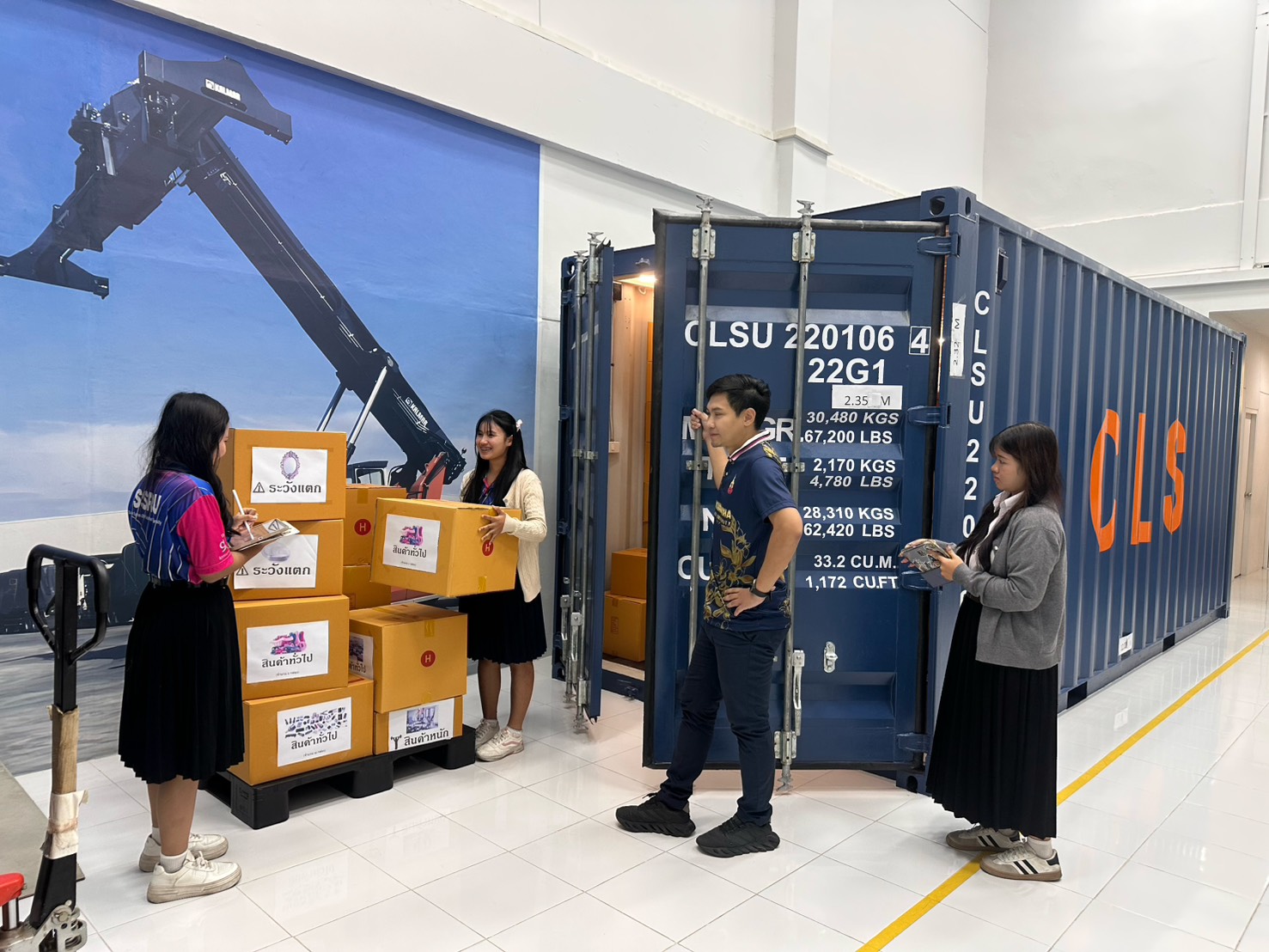
first-year Business Maritime students
had the opportunity to explore real
shipping containers up close while
practicing English communication skills
for real-world applications in the
global logistics industry!
Let’s discover the essential
English vocabulary and key figures
displayed on shipping containers that
every logistics and maritime business
student should know and be able to
explain confidently in English.
**Key
Container
Specifications**
**Container
Dimensions**
Learn how to
identify and describe a
container’s width, length, and
height using different units of
measurement, such as feet and
meters.
**Tare Weight**
The
weight of an empty shipping container
before any cargo is loaded.
**Gross
Weight**
The total weight of
the container and its contents,
including the container’s tare
weight and the cargo and packing
materials. Always ensure that the
maximum permitted gross weight is never
exceeded!
**Net Weight / Payload**
Net weight refers to the
weight of the goods themselves,
excluding the packaging and container.
Payload refers to the maximum weight of
cargo that the container is permitted to
carry.
**English in Action!**
Our
students practiced describing container
specifications in English, using
sentences such as:
*“This is a
twenty-foot dry container with a maximum
gross weight
of…”*
Learning with real equipment makes
technical vocabulary easier to remember
and helps students build confidence in
speaking English.
Through hands-on learning, our
students are developing the practical
skills and professional communication
abilities they need to become future
experts in maritime transport and
logistics!
#CLX2307
#EnglishForLogistics #BusinessMaritime
#LogisticsAndSupplyChain
#MaritimeBusiness #LearningByDoing
#SSRU
#SSRU
#SuanSunandhaRajabhatUniversity
#สวนสุนันทา
#มหาวิทยาลัยราชภัฏสวนสนันทา
#AcademicContent
#CLS